From Concept to Creation:
How X one Helped Bring an Architecture
Student's Vision to Life

Every Great Design Starts with an Idea

Behind every finished model are countless sketches, revisions, and moments of experimentation.

For architecture graduate student Chen, thriving was more than a final project. It was an opportunity to explore how architecture can create stronger connections between people and the spaces they share.

Rather than building a model only for presentation, Chen used it throughout the design process—testing ideas, refining layouts, and exploring different ways to bring his concept to life.

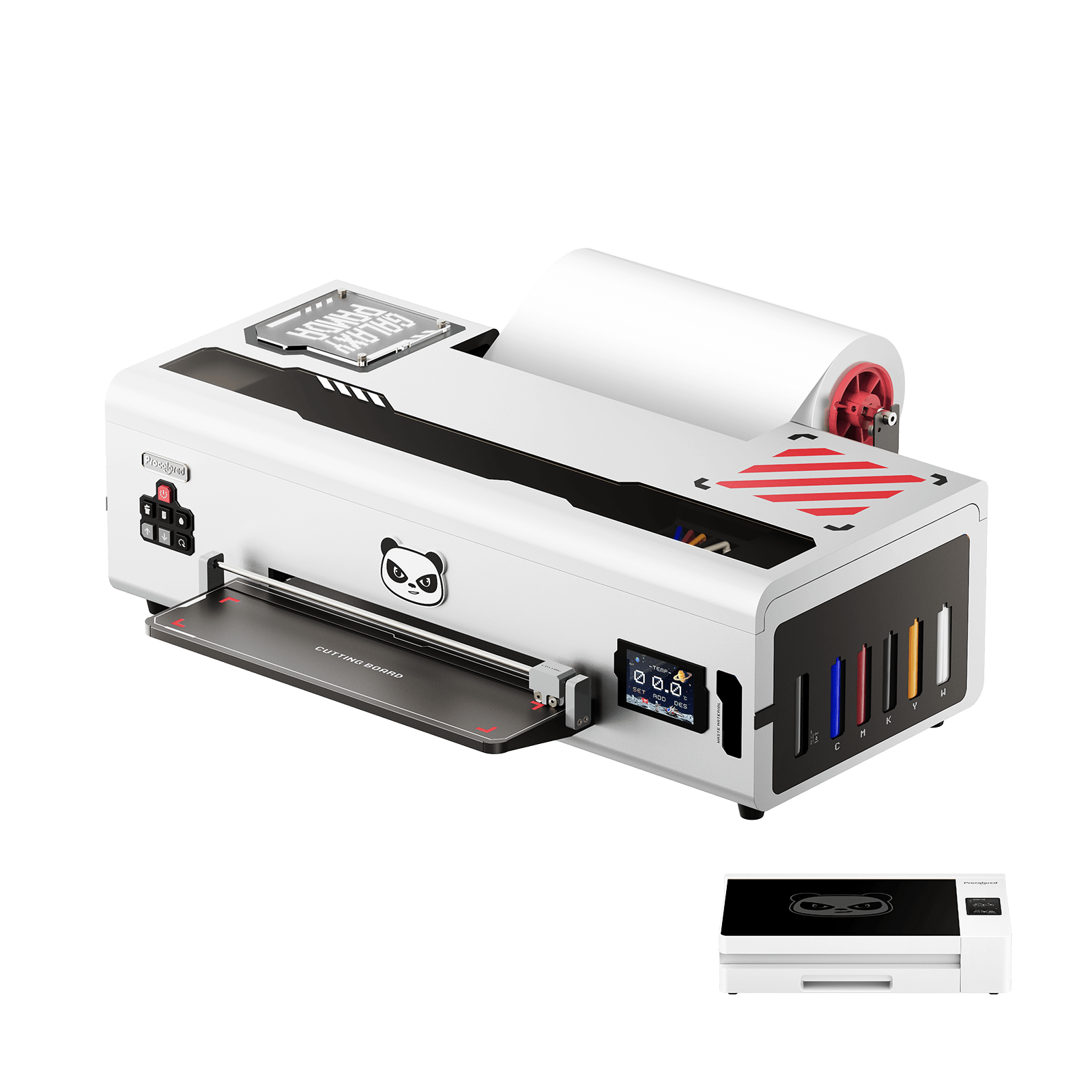
With the support of X one, digital concepts gradually became physical prototypes, making every stage of the project easier to develop and visualize.

Learning by Building

Every project evolves through trial and error. As the design developed, Chen continuously adjusted the layout, refined structural details, and tested different construction methods before arriving at the final version. Using X one's laser engraving and cutting capabilities, he quickly produced accurate model components from wood sheets. Instead of spending hours recreating parts by hand, he could rapidly build new versions whenever a design changed.

This faster workflow allowed Chen to spend less time repeating manual tasks and more time improving the design itself. For students, that's one of the greatest advantages of digital fabrication — it makes hands-on experimentation a natural part of the creative process.

Bringing Materials to Life

Once the overall structure was complete, attention shifted to materials and surface finishes. Different parts of the project called for different visual identities. Warm wooden textures emphasized natural gathering spaces, brick facades gave the buildings character, metallic walkways highlighted circulation routes, and layered roof textures added realism to the overall composition.

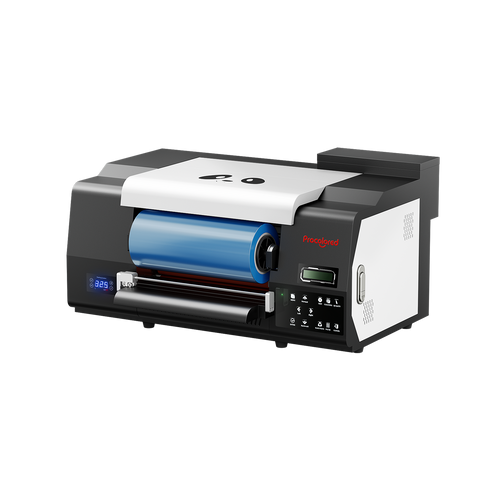
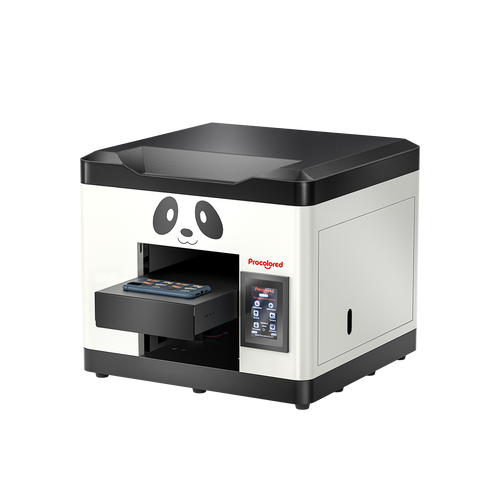
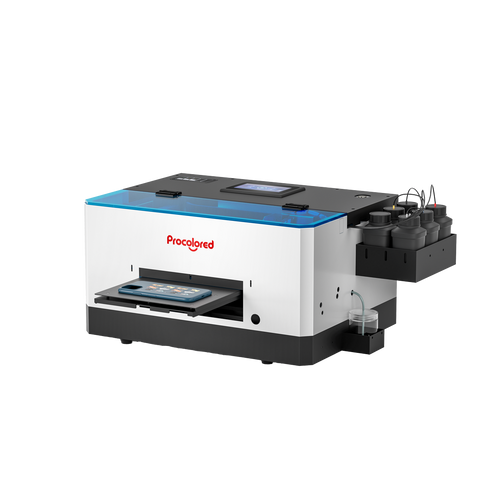
Using X one's integrated workflow — including laser engraving, UV printing, and UV DTF — Chen could explore a variety of materials, textures, and finishes throughout the project. Rather than relying on a single material or hand-painted details, he was able to build a model that better communicated how the space might look and feel in real life.

Where the Details Make the Difference

Large structures define a building, but small details bring it to life. Interior furniture, bookshelves, floor textures, decorative graphics, and other finishing touches helped transform the model from a collection of miniature buildings into a space that felt welcoming and lived in.

For these final refinements, UV DTF offered additional flexibility. Decorative graphics could be applied after assembly, making it easy to continue improving selected details without rebuilding the model. Sometimes, it's the smallest elements that leave the strongest impression.

More Than a Student Project

Looking at the finished model, it's easy to admire the final result. But the real story lies in everything that happened before it. Every prototype inspired another idea. Every revision improved the design. Every experiment became part of the learning experience.

Projects like Thriving demonstrate how digital fabrication supports much more than model making. It encourages curiosity, creative problem-solving, and the confidence to keep refining ideas. By combining laser engraving, UV printing, and UV DTF into one integrated workflow, X one gives students and creators more freedom to prototype, explore, and communicate their ideas.

Because the best way to learn design is by making it.