5 Garment Printing Tips to Improve Your Print Quality 

Written by Procolored - Published on Oct 14, 2025

Share:

9 minutes read

9 minutes read

Share:

Written by Procolored - Published on  Oct 21, 2025

Table of Contents

1. Tip 1 – Prep is Power: Choose & Treat Your Fabric the Right Way

2. Tip 2 – Master the Digital Artwork: Resolution, Color, and Layering

3. Tip 3 – Nail the Printing Process: Precision in Every Pass

4. Tip 4 - Don't skip the Cure:  Heat & Pressure Done Right

5. Tip 5 – Maintain Like a Pro: Daily Habits for Long-Term Quality

6. Bonus Insight – Scaling With Confidence

7. Conclusion

Title

Look, nobody’s out here obsessing over your “pretreatment process” or DPI numbers. What most people see is a shirt, they grab it, and decide in about two seconds if it’s worth their cash or not. That’s it. They only see if the colors popping, the print not feeling like a plastic sticker, and whether it survives the first laundry cycle without turning into a cracked mess.


If you pull that off? Congrats, you just leveled up to “favorite brand” status. But if your print peels, cracks, or feels like you ironed on a bumper sticker from the ‘90s, your customer is gone ... before you can even spell “restock.”


Listen, “quality” isn’t just some fancy word for a marketing pitch. It’s trust. Every single hoodie or tee you drop is basically your brand yelling, “This is who I am!” And let’s not kid ourselves—there are, like, a million brands floating around. People don’t trust you? Yeah, they’ll scroll past in a heartbeat.


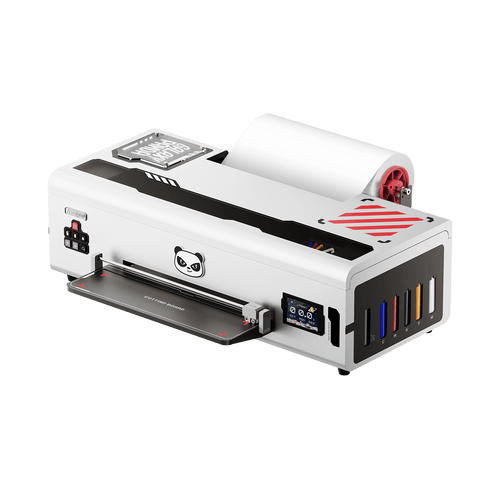
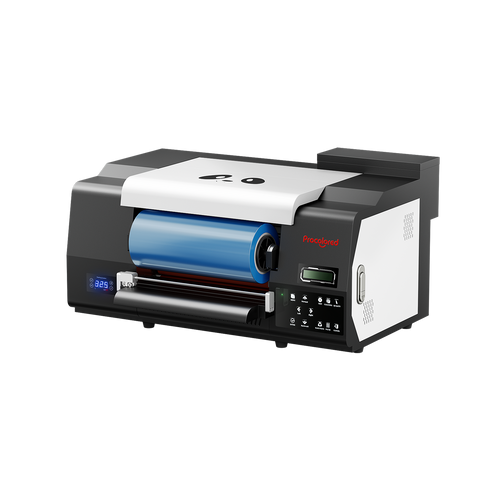
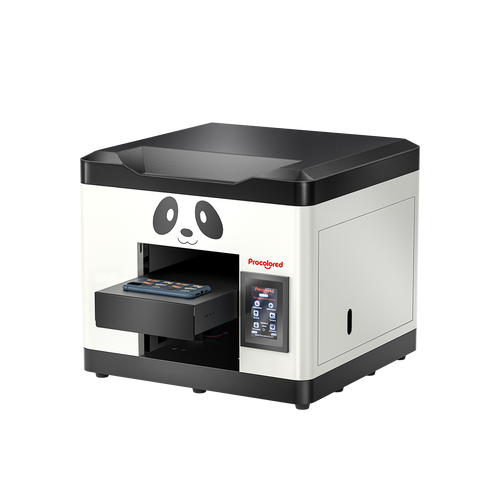
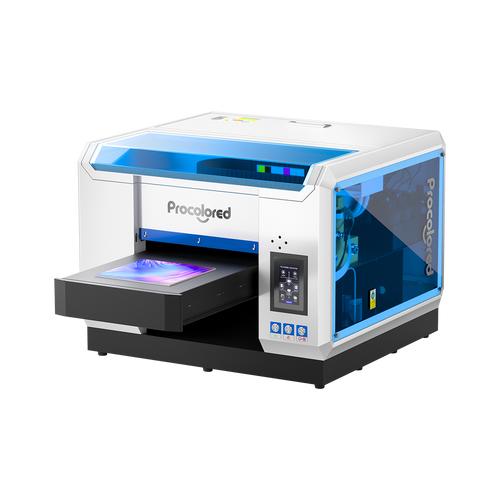
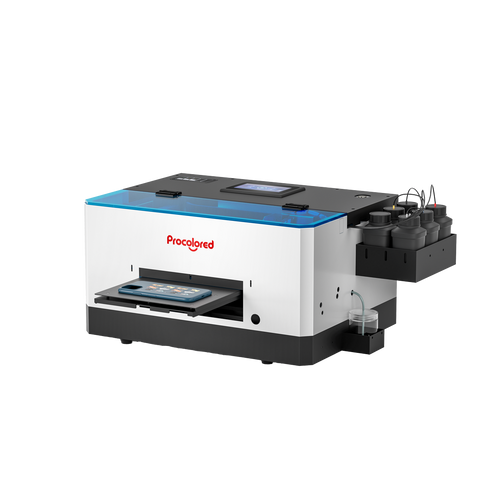
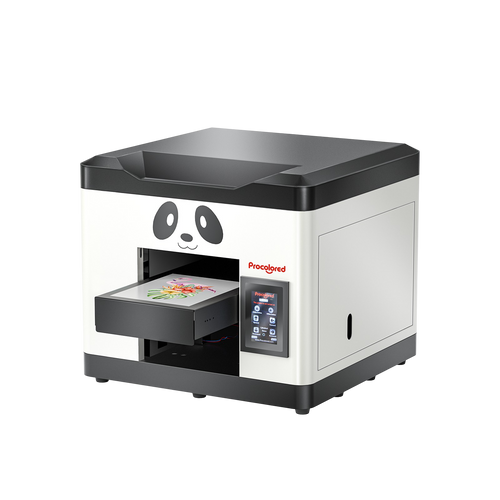
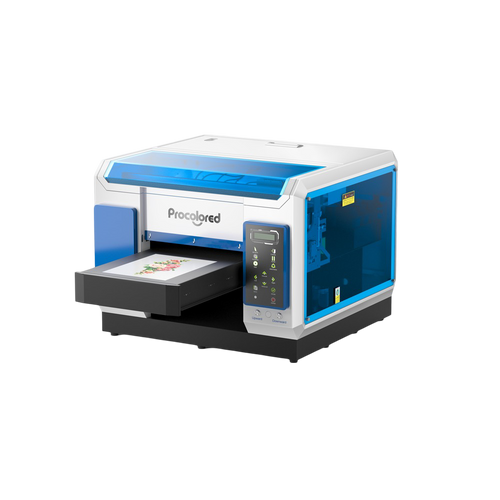
So, don’t risk your brand’s rep on bargain-bin equipment. We know—most people start out with whatever they can afford. But if you can pick a Procolored DTG machine? Well, they’re game changers. They do the heavy lifting, making your DTG prints look sharp and your life way less stressful.


Your colors won’t bail after a couple washes, the prints actually look pro, and setup won’t leave you in tech support hell. Honestly, what more could you want?


Anyway, we’ve lined up 5 hacks to boost your garment printing game right now. And yeah, we’ll show you how pairing these tips with a Procolored DTG printer is basically a cheat code for killer prints that last—and customers that keep coming back. Ready? Let’s get into it.

Tip 1 – Prep is Power: Choose & Treat Your Fabric the Right Way

Honestly, most people in printing get obsessed over the artwork, the fancy ink, the curing—meanwhile, they forget the fabric is what sets the stage. If your stage is shaky, it doesn't matter if you’ve got multiple talented actors—the show’s still gonna flop.


● The Fabric Factor

So, in the fabric lineup cotton is your ink-thirsty friend . It slurps up color like a sponge and gives out bold eye-catching prints without much fuss. On the other hand polyester blends are slippery. Ink just kinda skates around, refuses to settle in . But obviously it doesn’t mean you’ve to ditch blends, though. It just means you need to treat them with the right prep.


● Pretreatment Magic

That’s where Pretreatment makes much sense—Think of it as slapping on a killer base coat before you go creative with your masterpiece. Skip it, and, well, don’t be shocked when your print looks like that faded, washed out shirt you got from a county fair, probably ten years ago . Do it right—quick lint roll, hit it with pretreat, cure it like you mean it—and suddenly, your design’s locked in like it was born on that fabric.


Here’s where Procolored DTG printers stroll with their latest white ink system. It keeps your nozzles from clogging up and makes prep a lot more easy. Even those tricky dark shirts get an underbase so smooth, your pretreat suddenly feels effortless. Basically, Procolored DTG printers make the fabric behave, so you’re not losing your mind wrestling with it.


Honestly, fabric’s the icebreaker, pretreatment’s your first-impression handshake, and Procolored? That’s the whole deal that makes it all work. Nail the trio, and you’re not just doing t-shirt printing—you’re making stuff people actually brag about.

Tip 2 – Master the Digital Artwork: Resolution, Color, and Layering

Alright, let’s get real: your printer’s not pulling rabbits out of hats. If your file’s blurry, the print’s gonna be blurry too. And if the colors in your design are whack, your shirt’s gonna be just as disappointing. No miracles happening here. Simple is that.


It’s the same vibe as blowing up a grainy movie onto a giant movie screen—bigger screen doesn't mean better, it makes you see every flaw in HD.

The Resolution Rule

300 DPI or higher That’s the benchmark if you actually want those lines crisp and those tiny details to pop.  But resolution alone won’t save you. If your DTG fabric printers are poorly calibrated, you’re using low-quality transfer film, and press settings are off, even a 300 DPI file may all lead to blurry or washed out results.


The Color Reality

Now, about color—screens are liars. That electric blue you loved on your laptop, Yeah, probably turned into faded teal on fabric. Cotton doesn’t care about your fancy monitor. Skip color proofing, and you’ll be screaming into the void when your “perfect” shirt looks like it’s been washed fifty times before you even wear it.


Smart Layering Trick

And about that whole “vector vs. raster” debate—why stress? Blend them. Vectors keep everything sharp, rasters dump in all that delicious detail. Put them together and suddenly your design is jumping off the shirt like it’s got superpowers. People will literally reach out and poke it to see if it’s 3D.  It’s a trick, honestly.


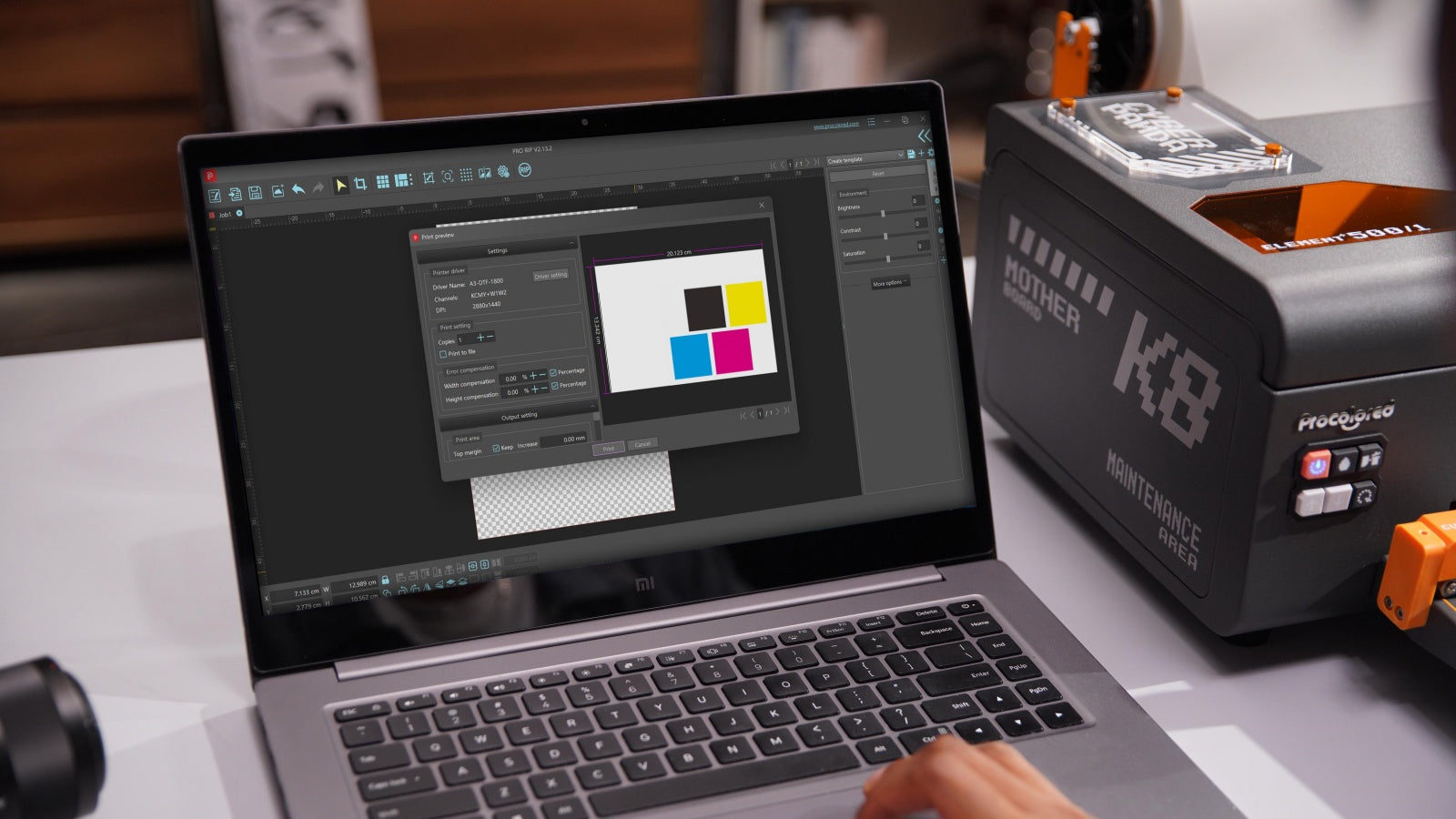
That’s where Procolored comes in and flexes. Their Pro RIP software is impressively good. Most RIP programs just spit your file out and call it a day—Procolored actually fix your gradients, balance out whites, and stop faces from going full zombie. It’s like a little art director lives inside your printer, making your stuff look way fancier than you had expected.


The point is, if you actually care and let Procolored’s RIP do its thing, you’re not just slapping a random image on a tee. You’re flexing a little. No one’s gonna know how much you stressed about DPI or fought with color profiles. They just see a shirt that looks sick—exactly like what they pictured in their head. That’s how you turn strangers into fans, easy.

Tip 3 – Nail the Printing Process: Precision in Every Pass

Printing is basically the final boss. You’ve done all the prep, made the design look awesome, and now—it’s go time. Honestly? This is where people blow it. They get all hyped to crank out a million shirts in record time, but then you check the DTG prints and it’s a mess: streaks, colors faded like they survived one too many spins in the wash, and half the logos are chilling at a weird angle.


Trying to be fast just ends up biting you, trust me. Paying attention to the details is what actually saves your butt. Otherwise, you’re not just tossing shirts and ink in the trash—you’re torching your reputation, too.


● The Balance Game

DTG Printing is a balancing act—it’s all about hitting that sweet spot. Go too quick and your colors look weak on the fabric. Go too slow and you’re just bleeding money and daylight. The real trick is finding that middle where every pass lays down just enough color—deep, rich, but not so much you’re turning the shirt into an oil painting.


● Light vs. Dark Shirts

Now, shirts aren’t all built the same. Light tees are totally easy going, one-and-done most of the time. Dark shirts, though—those are the very picky ones. They want a solid white underlayer first, then you gotta stack your colors just right. If you excel at it, the design pops. Mess it up, and your artwork just vanishes into the shadows.


Here’s where Procolored just shows off. Their industrial nozzles aren’t out here spraying ink like you’re watering the lawn. It’s pinpoint precisely. No random splats, no weird banding, no fuzzy outlines. Even if you’re running some multi-layered DTG print with gradients and jumbo graphics, these nozzles don’t pull back. Print number fifty looks just as crisp as print one.


Honestly, with Procolored, it’s like every print actually counts. This machine is a total MVP. Even when you’re in panic mode trying to get stuff done, your prints still come out looking like you spent way too much time on them. So you’re not just pushing out random shirts for people to sleep in—these are tees people will wanna rock in public, maybe even flex on Instagram.

Tip 4 – Don’t Skip the Cure: Heat & Pressure Done Right

Curing is where you lock it all in. DTG printer gets your artwork onto the shirt, but if you mess up the curing part? Forget it. That beautiful print will flake off, fade, or crack way before laundry day. 


It’s not just about blasting the shirt with a heat press and hoping for the best. Nah, you need that perfect trio—right temp, solid pressure, and just the right amount of time.. Most DTG inks cure best around 320°F (160°C) for 90-180 seconds, with just light to medium pressure. Miss that window, and you’re either stuck with a DTG print that ghosts after one wash, or a tee that feels like cardboard.


Couple of pro tips beginners miss:


● Fabric type is a big deal. Poly blends need slightly lower heat or you’ll scorch them. Cotton is tougher, so let it undergo full cure.

● Wet shirts are a total disaster. Curing a damp shirt leads to weird faded spots or ghosting. Dry those suckers all the way.

● Give your print a gentle stretch after curing. If it cracks, you didn’t leave it long enough. Simple as that.

● Don’t go overboard. Over-curing it too long can get ink all faded and crunchy.


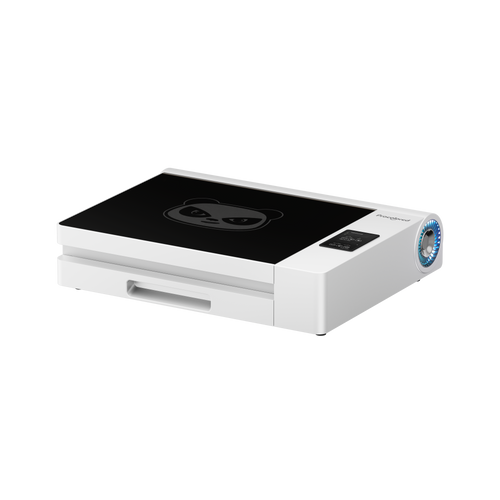
Honestly, Procolored makes this way less stressful. Their DTG printers and curing systems are basically made to work together, so your prints come out tough, colors stay bold, and shirts actually feel soft. Translation: you can wash, wear, and live in those tees—and they’ll still look fresh.

Tip 5 – Maintain Like a Pro: Daily Habits for Long-Term Quality

You can have the flashiest artwork and the softest tees, but if you don’t take care of your printer don’t expect great results. Skip the basics and face streaky messes and sad, washed-out colors. Even the fanciest, priciest machine gives you trouble if you ignore the regular upkeep.


Here’s the reality check every shop needs:


Wipe it down every day.

Yeah, we know, it sounds obvious, but people still skip it. Just grab a cloth and hit the print head and platen—dust, lint, and that weird pretreat sludge love to hide there, just waiting to wreck your next shirt.


Also, don’t get cheap with the ink.

Those knockoff bottles might look like a steal, but trust me, one bad batch and your printhead’s fail. Not to mention your peace too. Stick with legit DTG ink and thank yourself later.


Humidity and dust?

Absolute nightmares. If your shop feels like a dusty damp and way too hot, your printer’s gonna age faster. Keep it tidy, keep the temp normal, and suddenly your prints don’t look like a toddler did them.


Always, always run a test print.

Take what, a minute? Saves you from ruining a full batch and your profit margin with it.


Last thing: the curing station. 

If it’s grimy or you’ve got hot spots, you’re basically undoing all your hard work. Just clean it. 


Honestly, Procolored DTG printers make life way easier here. Auto white ink circulation? Emergency stop button? There’s all in-there. No more fighting with clogged nozzles every other day—the machine just keeps going. Less stress, better prints, you win.


Remember:

● Most DTG disasters tend to happen when people just skip on maintenance or let ink turn into concrete. 

● And automated cleaning–it cuts downtime by a third.

● So, Treat your printer right, and it’ll last you ages—not just a couple months.


Bottom line: Maintenance isn’t just busywork. It’s what stands between a smooth operation and a total nightmare. Skip it if you’re feeling wild, but don’t say nobody warned you.


Bonus Insight – Scaling With Confidence

Let’s get real—when your shirts look killer and don’t fade or fall apart after a few spins in the wash, people actually trust you. They come back and honestly, repeat customers are where the money is in apparel. Anyone can sell a tee once. Getting people to buy again, that’s the whole game. Consistency isn’t just some fancy ideal; it’s literally how you grow beyond being another print shop.


Take an example of a tiny brand, hustling at local pop-ups, printing in their garage. At first, their shirts were a crapshoot—some looked amazing, some totally faded out after a couple washes. Then they grabbed a Procolored DTG printer. Suddenly, colors popped, prints felt smooth, and the printer basically ran itself. Every shirt hit the same quality, no more rolling the dice.


And yeah, people caught on. Friends told friends, strangers started showing up, and before you knew it, their little side hustle turned into a legit online shop with orders coming in nonstop. No more panic over ruined shirts or fixing stuff that should’ve just worked in the first place. They actually had time to design new stuff, market properly, maybe even sleep once in a while.


That’s the real secret trick. When your equipment isn’t sabotaging you, you can actually think bigger. A solid printer? It’s not just another gadget—it’s your backstage pass to growing your brand without burning out.

Conclusion

Print quality isn’t magic, okay? It’s just about not screwing up the basics and having a printer that isn’t gonna bail on you halfway through. Mess up the fabric, upload some garbage pixel file, forget to cure it right—and, enjoy your sad, faded shirts and a side order of regret.


Let’s be real: your garment printer is either your best friend or your worst enemy. Yeah, you could cheap out and grab one of those bargain DTG printers, maybe save a little cash… but then, enjoy clogged heads, streaks everywhere, and colors that look like they got time-warped in from a thrift store bin. Basically, you’re just pumping out more trash shirts for your “whoops” pile.


Now Procolored DTG printers actually deliver. They’ve got that white ink circulation built in (no more gunky, dried-up lines), the nozzles are sharp as hell, and the maintenance isn’t just for show. So instead of rage-searching error fixes at 2 AM, you’re actually, you know, printing stuff.


If you’re thinking about stepping up, maybe it’s time to dump that old printer you secretly hate and grab a Procolored DTG printing machine. Give your designs a chance at being someone’s favorite tee, not just tomorrow’s cleaning rag.

Subscribe

To join our mailing list

and never miss our updates !

Thanks for contacting us. We'll get back to you as soon as possible.
Title

Most Popular Blogs

Title

More Blogs About

About the Author - Simon

Simon has worked in inkjet printing industry for years.  He has the rare ability to see print related issues from many perspectives. Witnessing the gradual development of digital printing especially inkjet printing, Simon knows better about what the users are looking for and how the new technologies will truly help big or small businesses.

Subscribe

To join our mailing list

and never miss our updates !

Thanks for contacting us. We'll get back to you as soon as possible.
Title

Most Popular Blogs

Title

More Blogs About