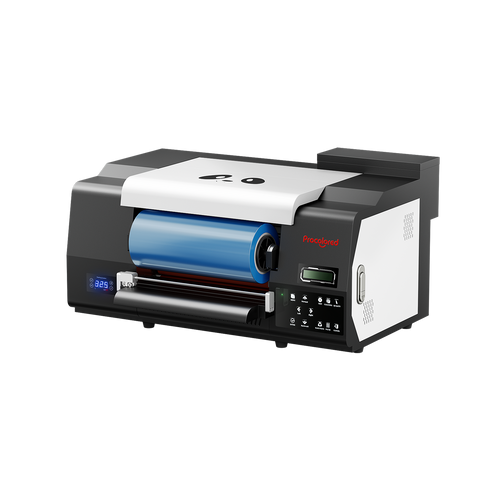
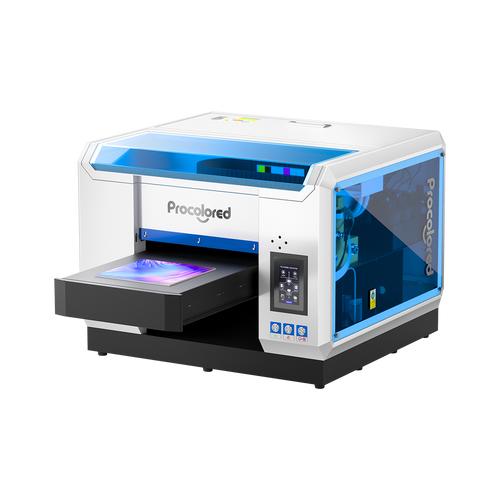
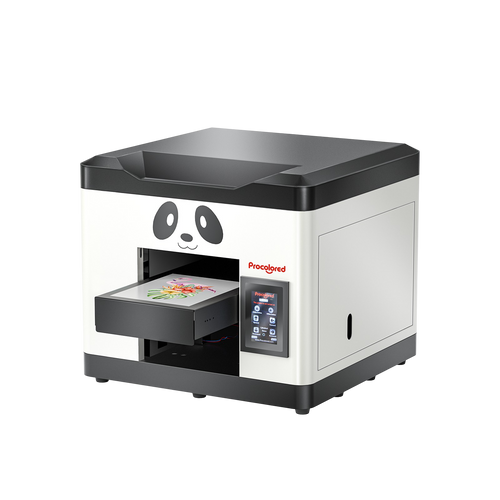
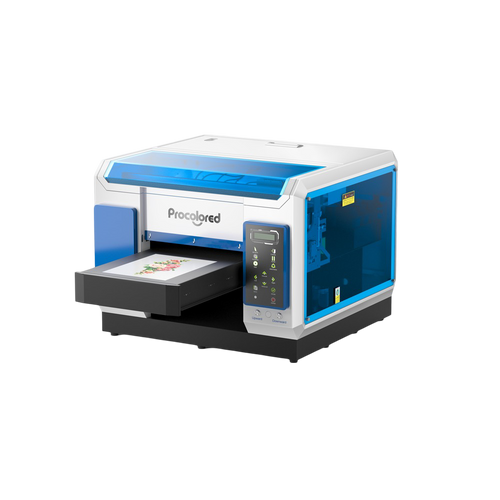
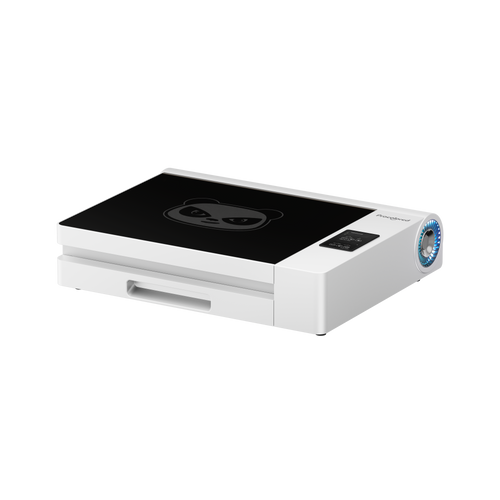
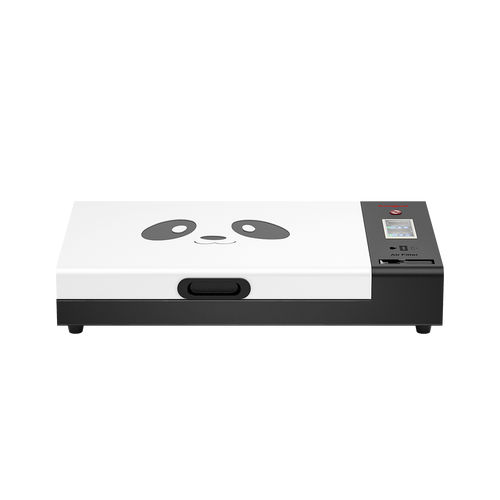
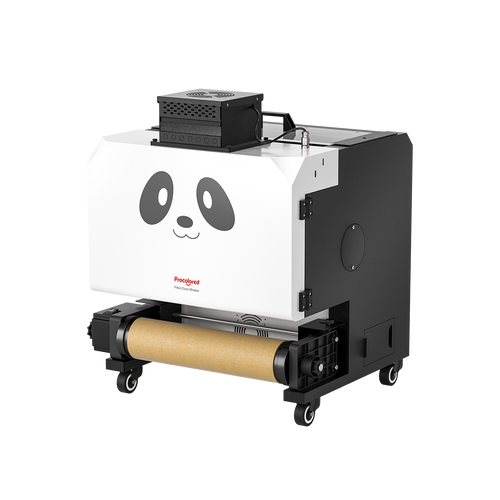
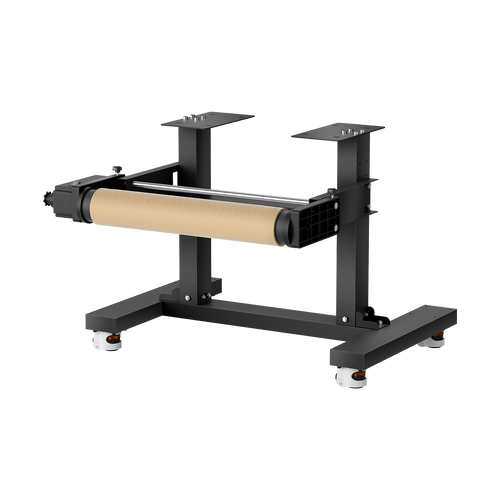
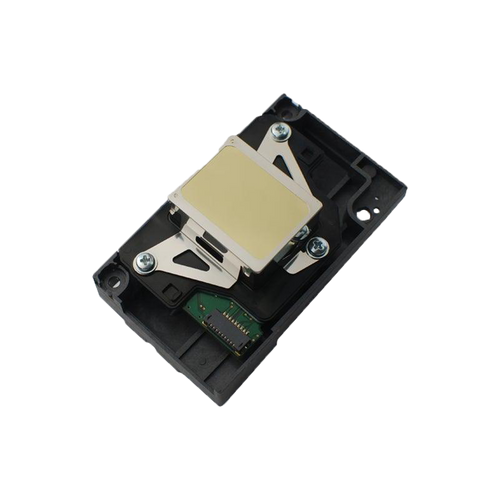
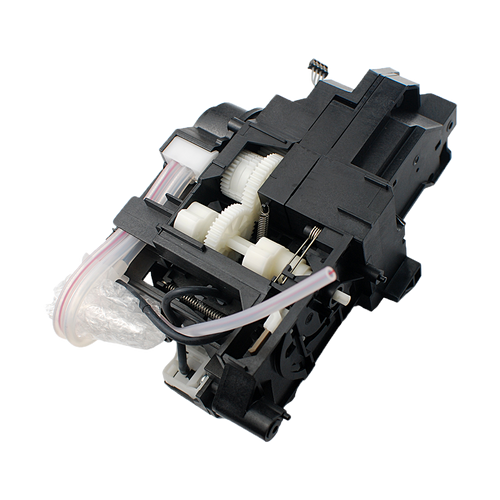
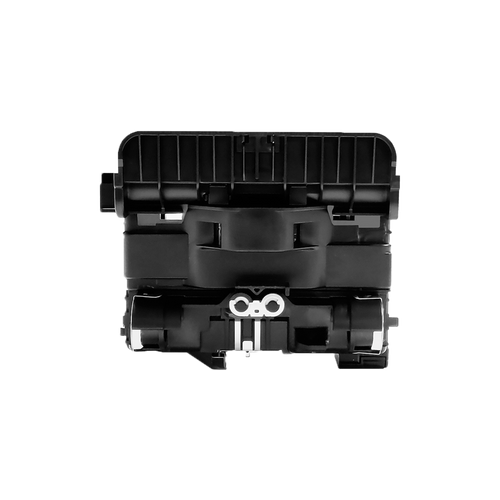
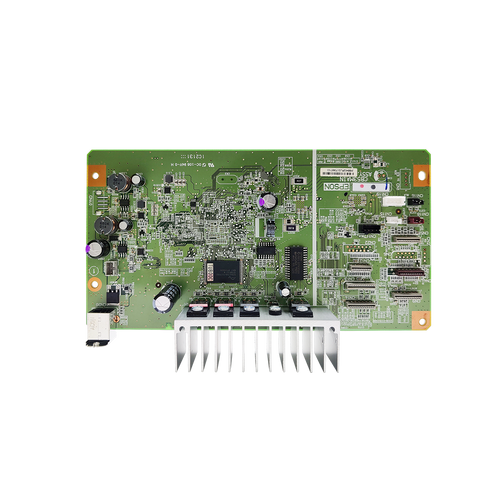
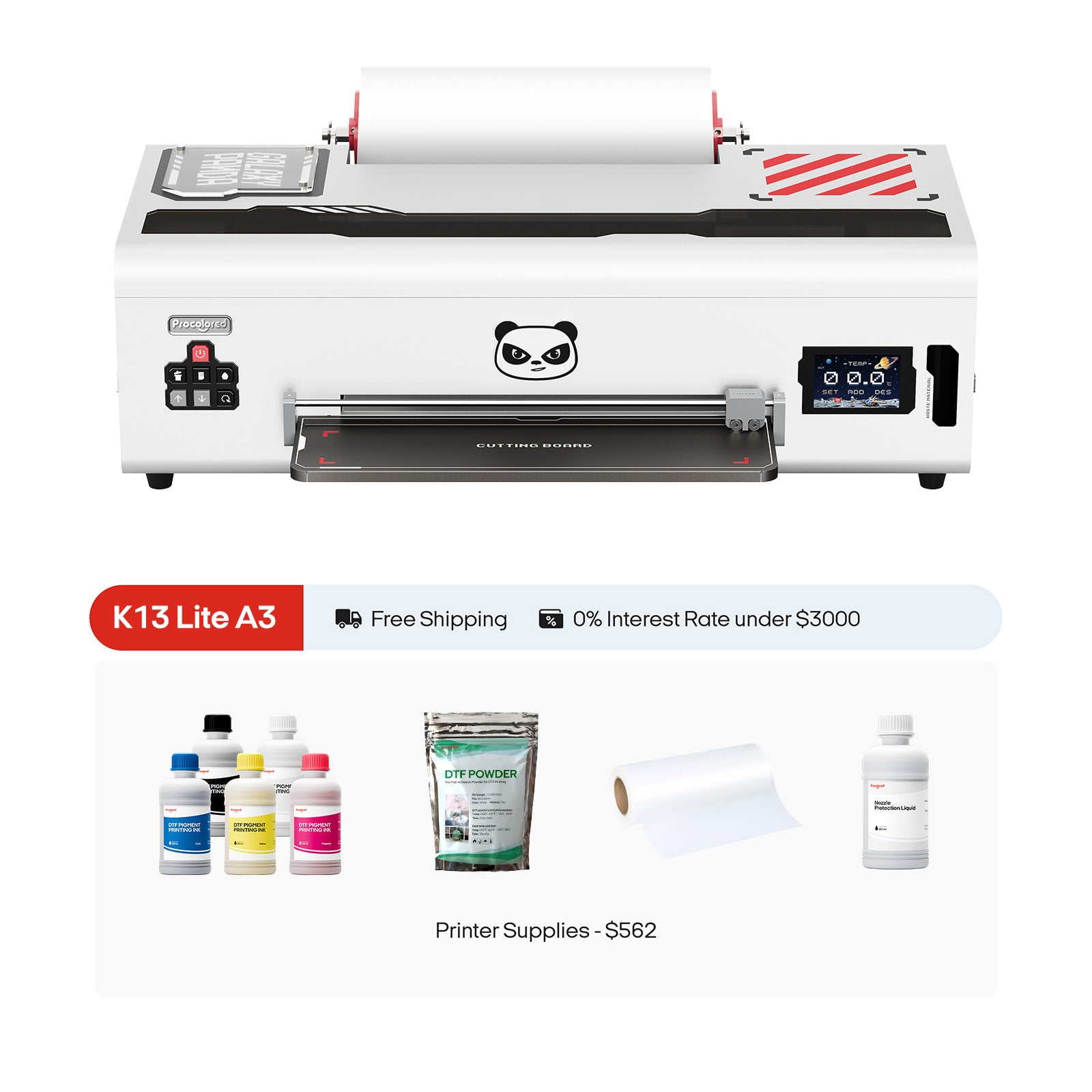
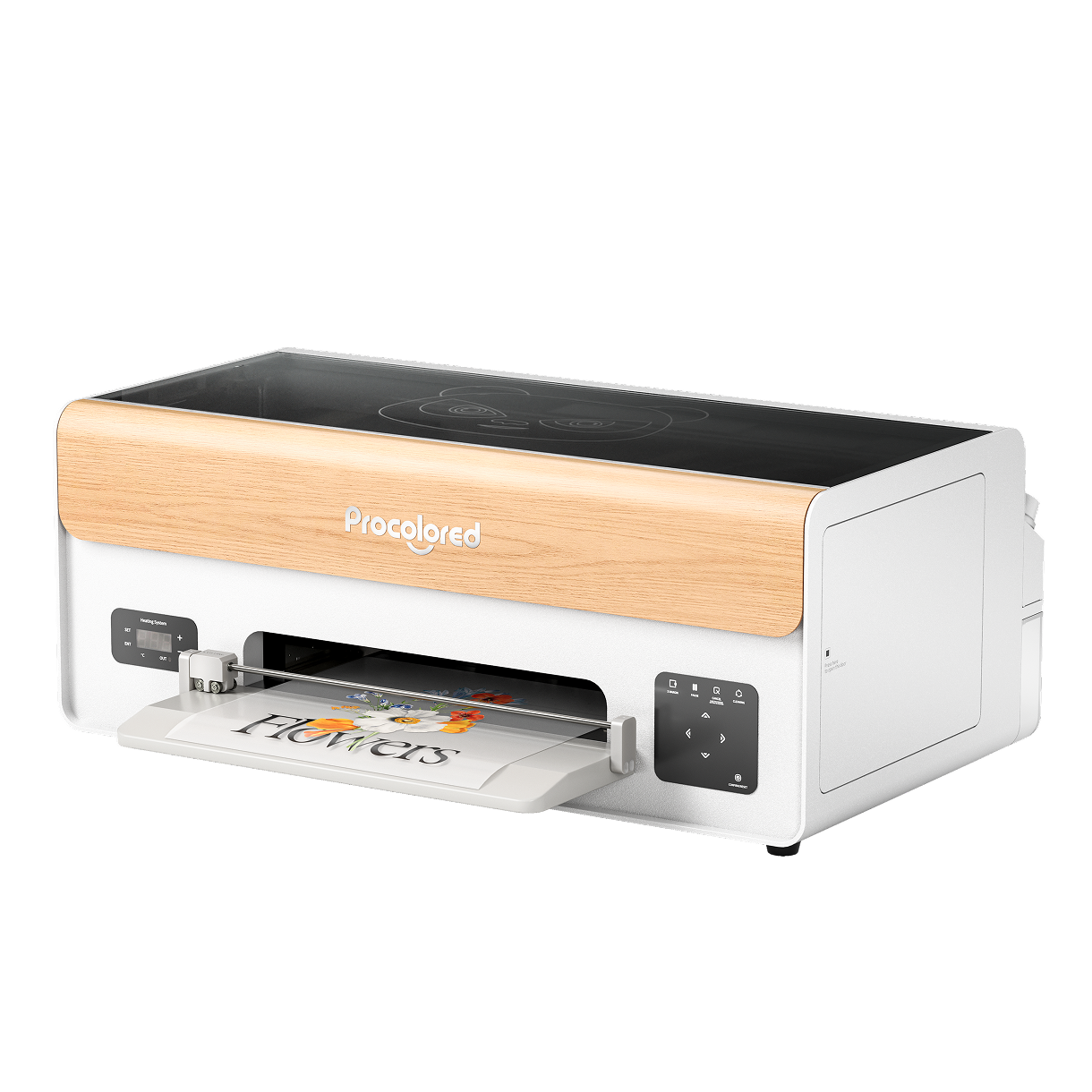
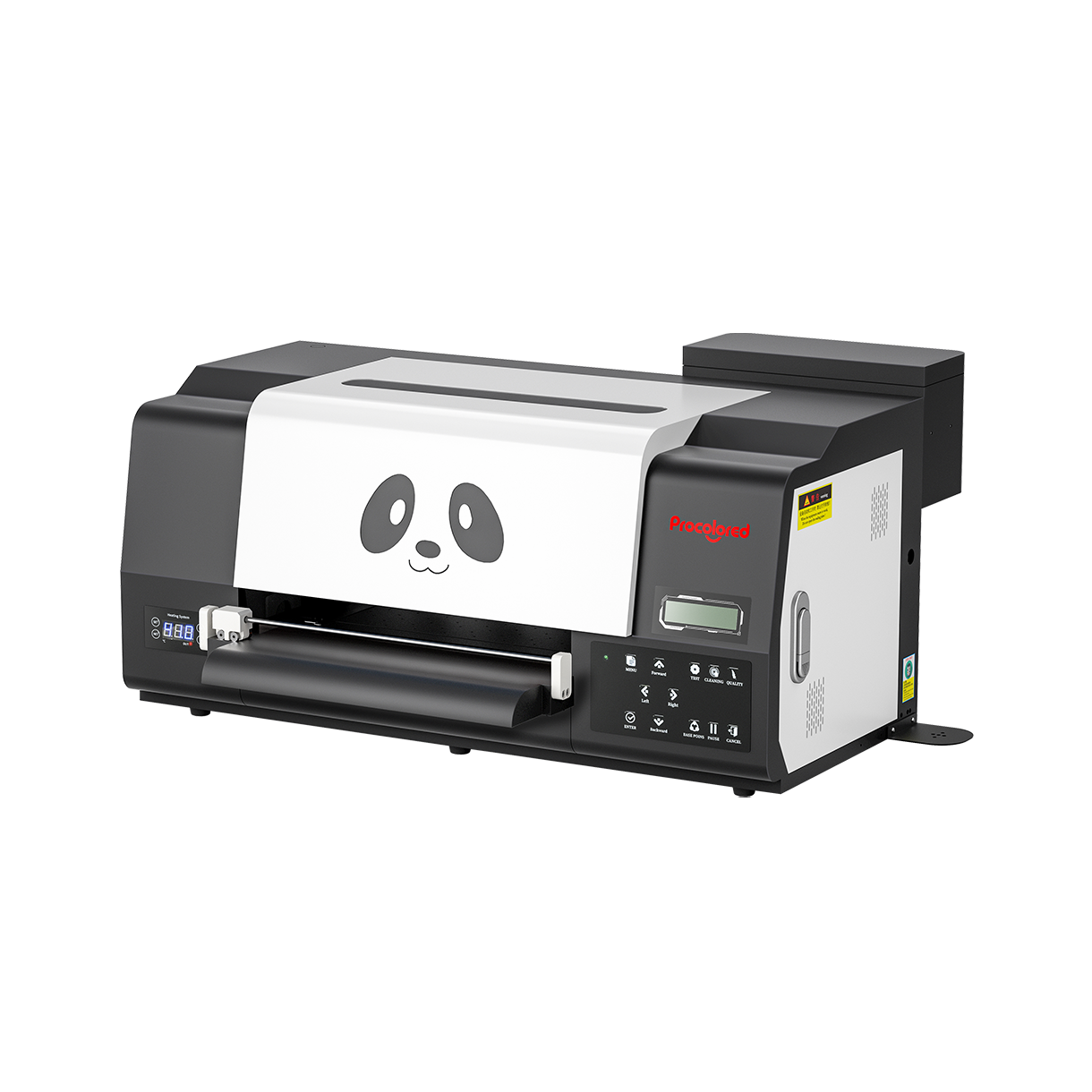
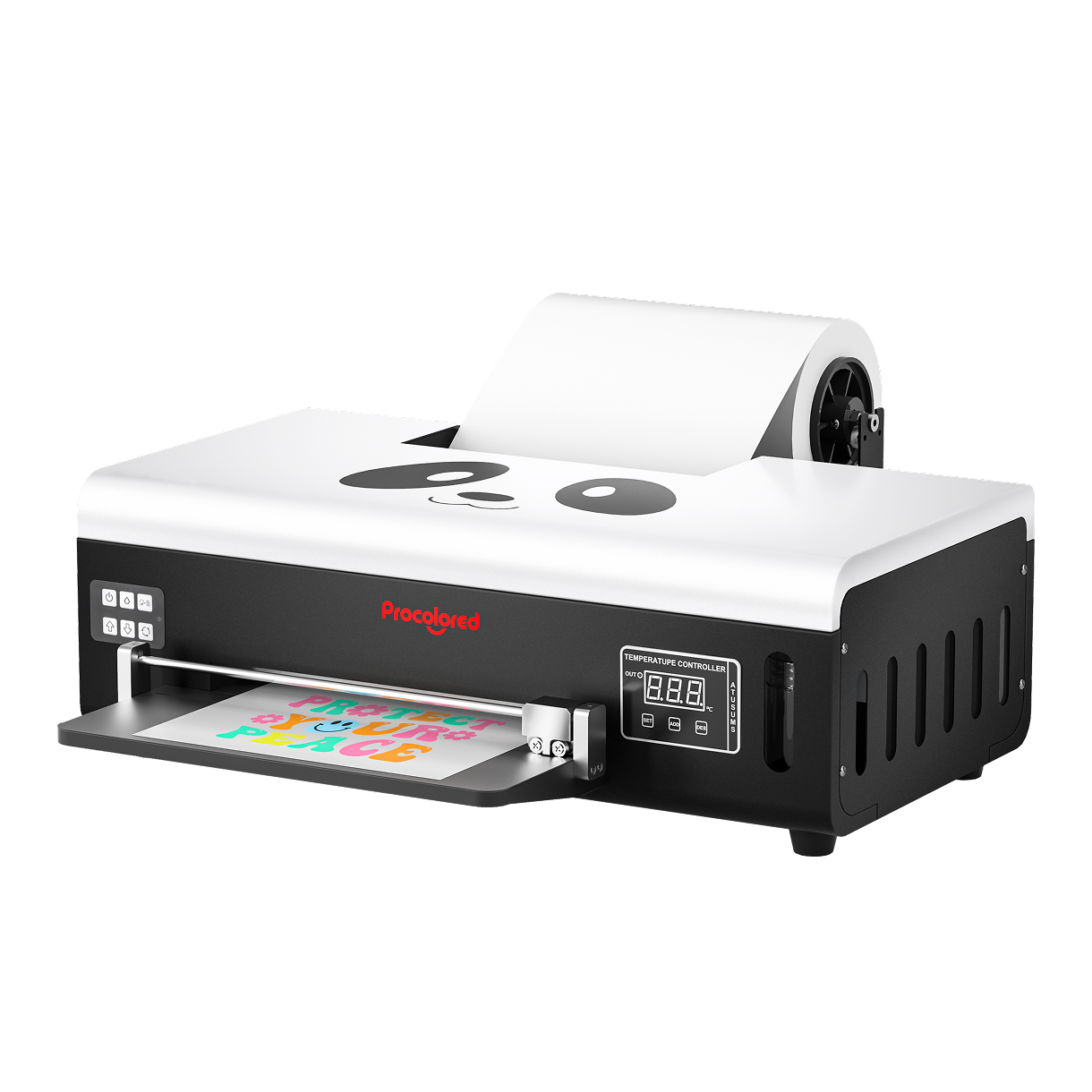
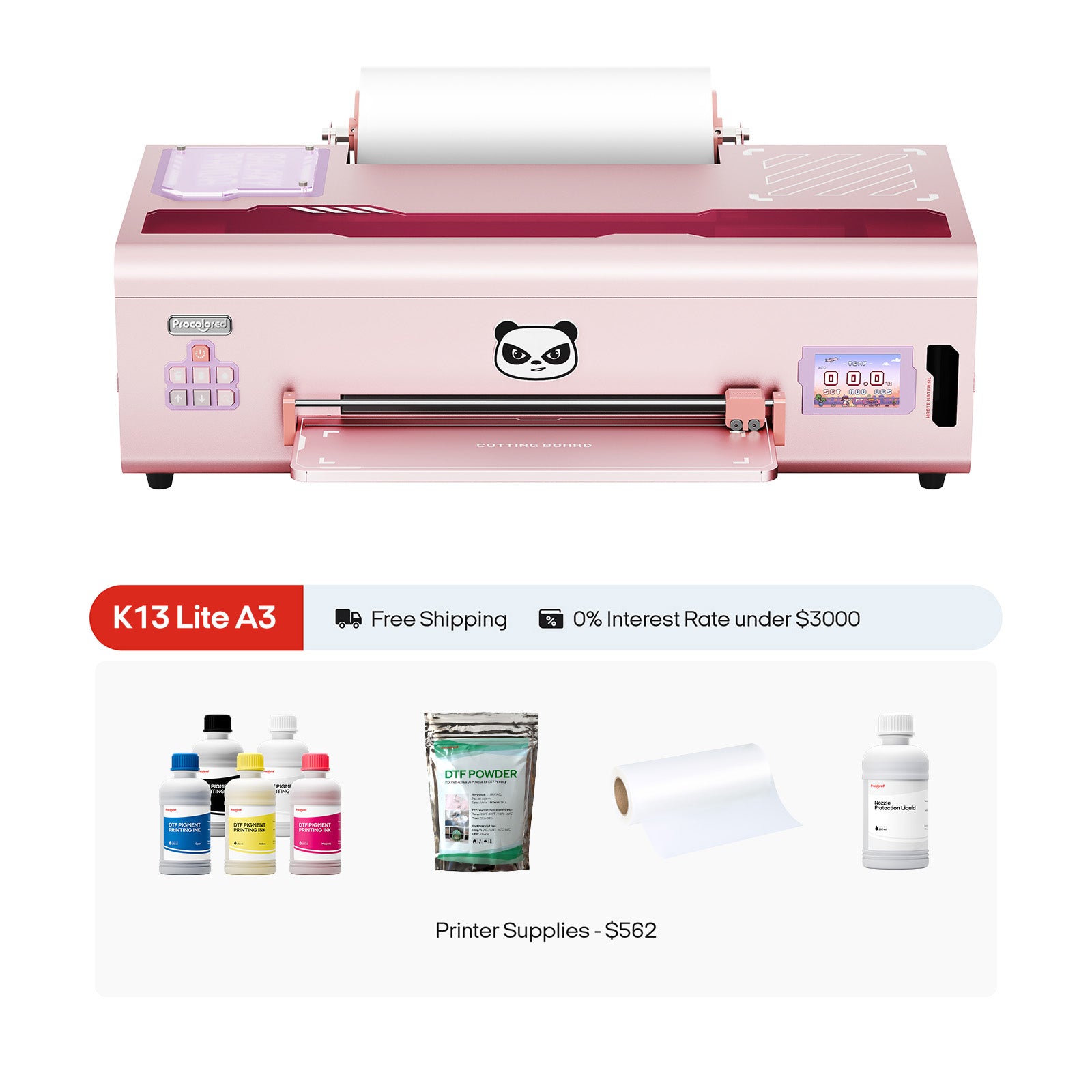
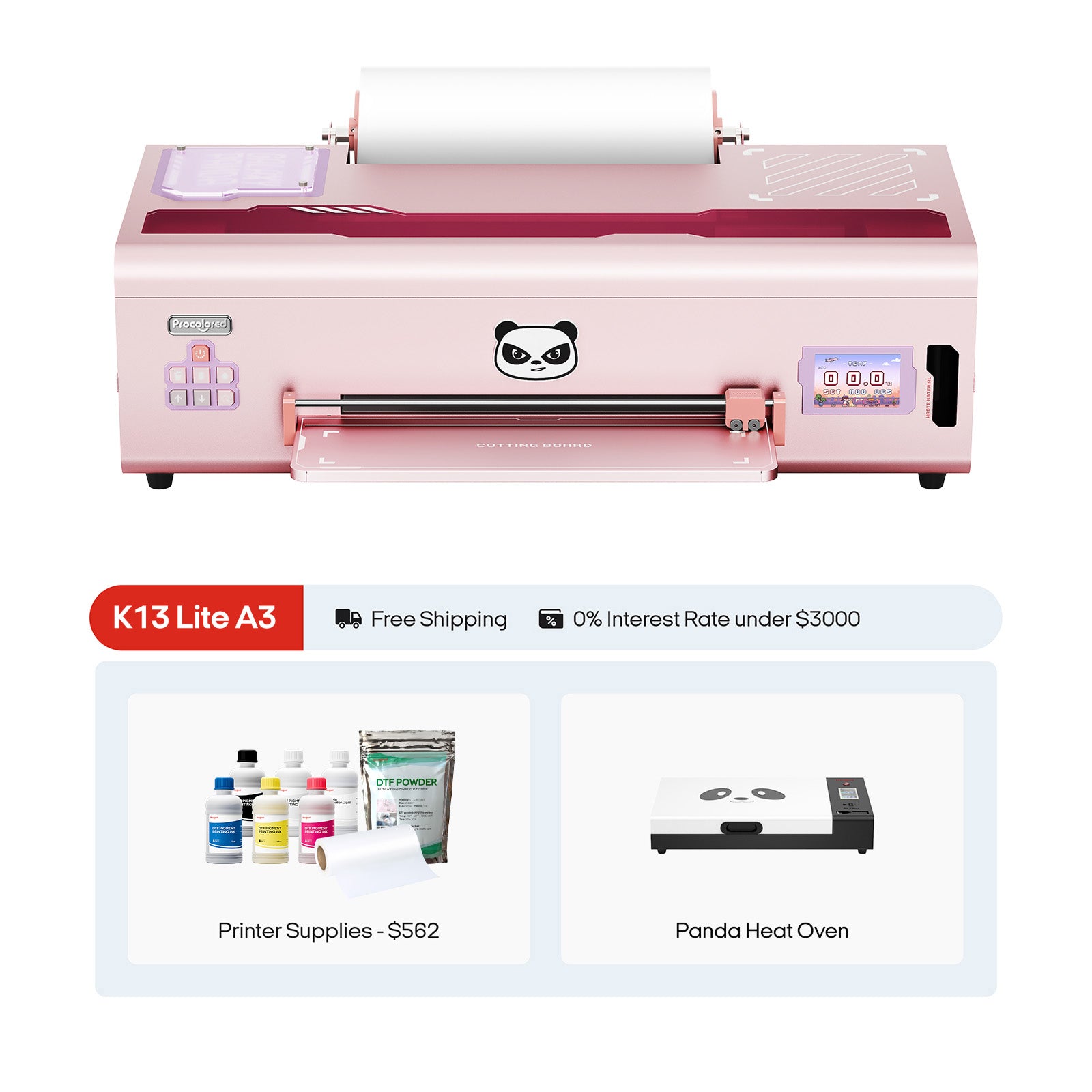
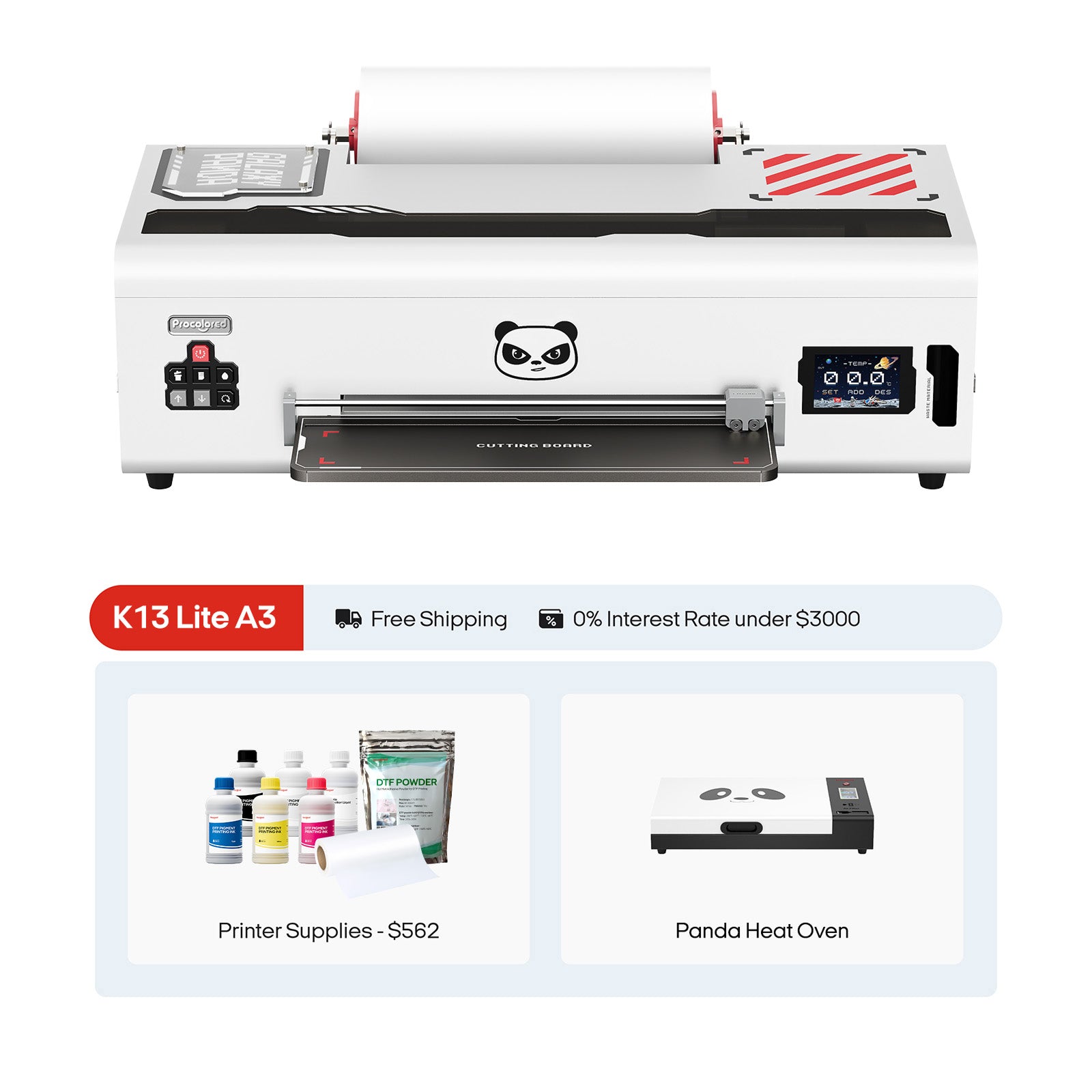
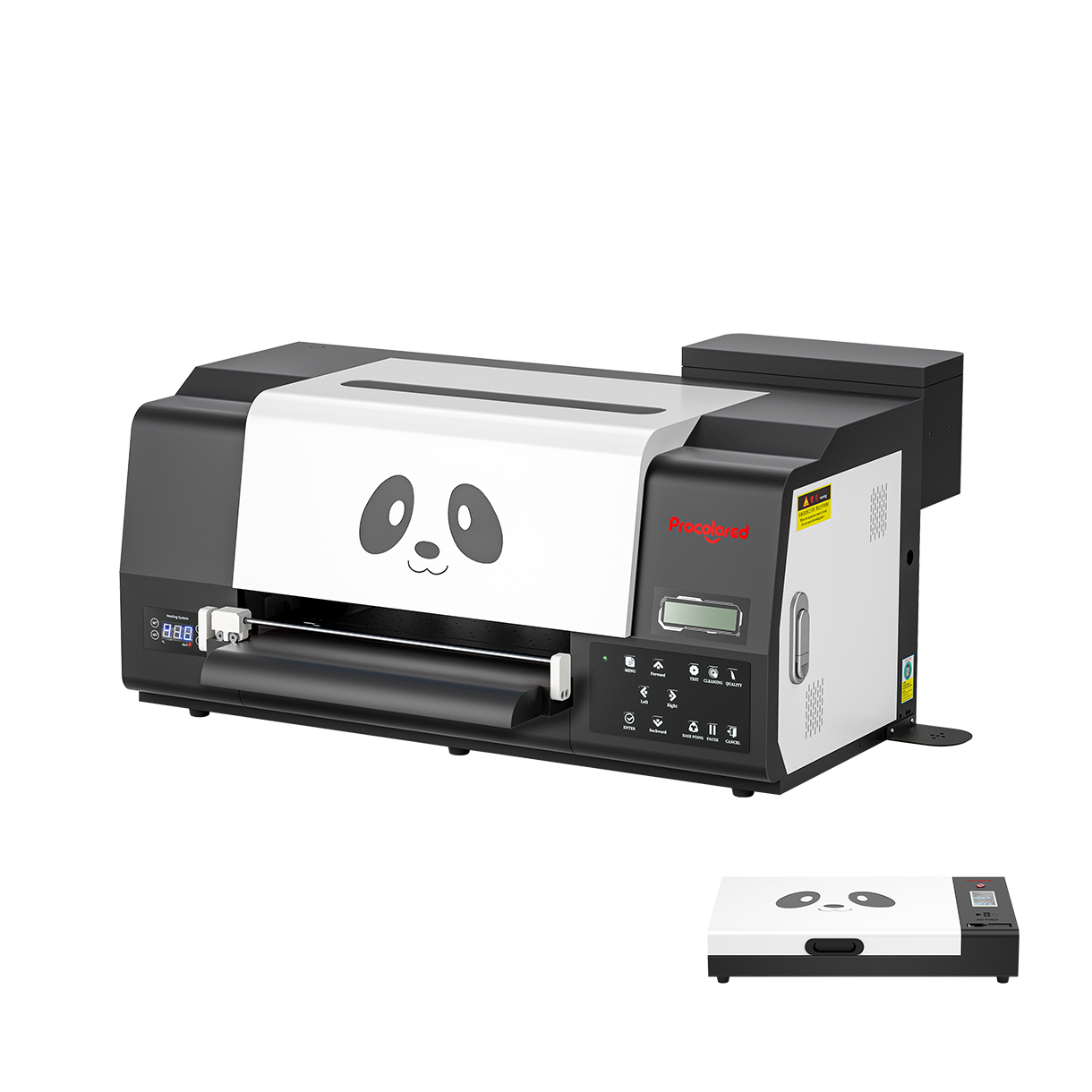
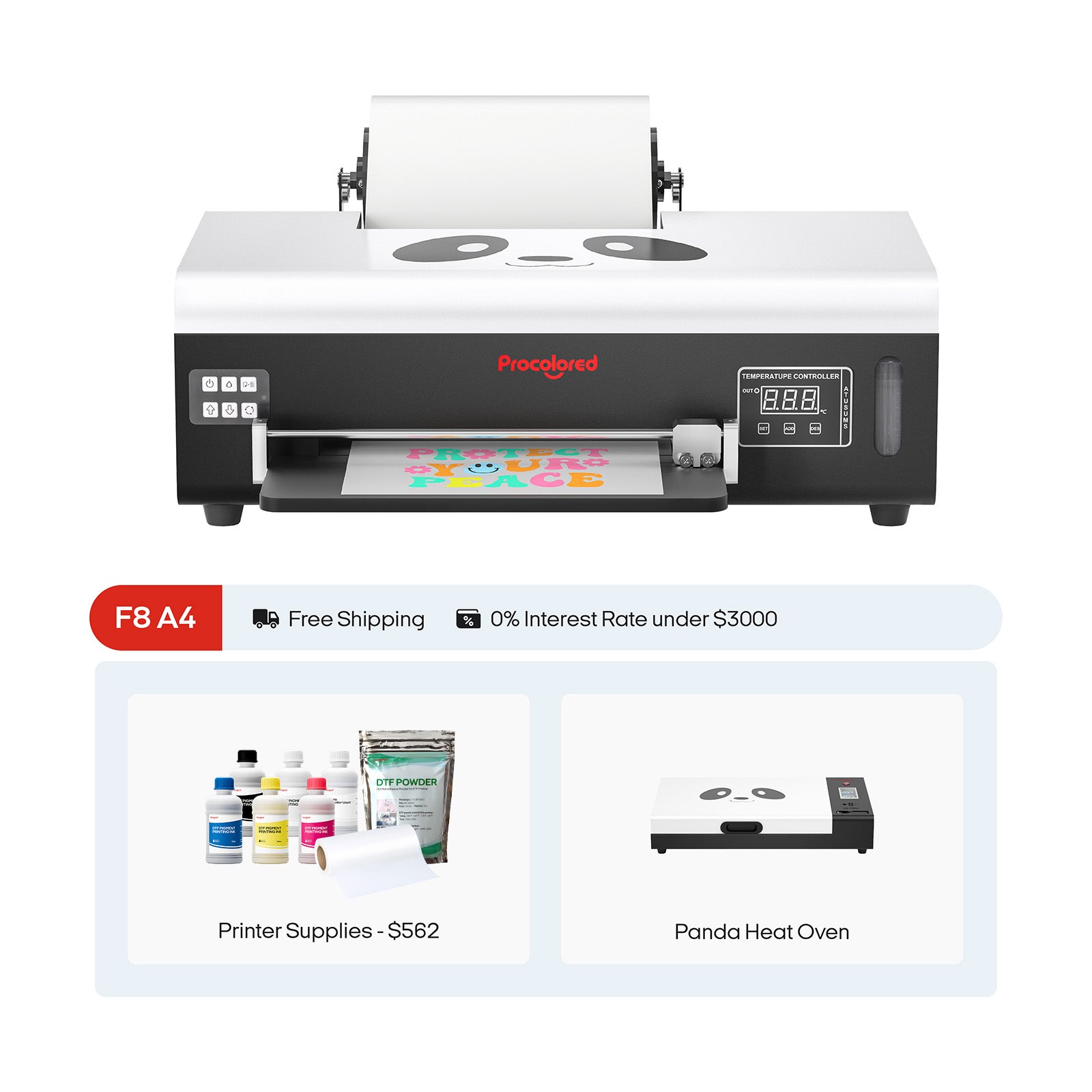
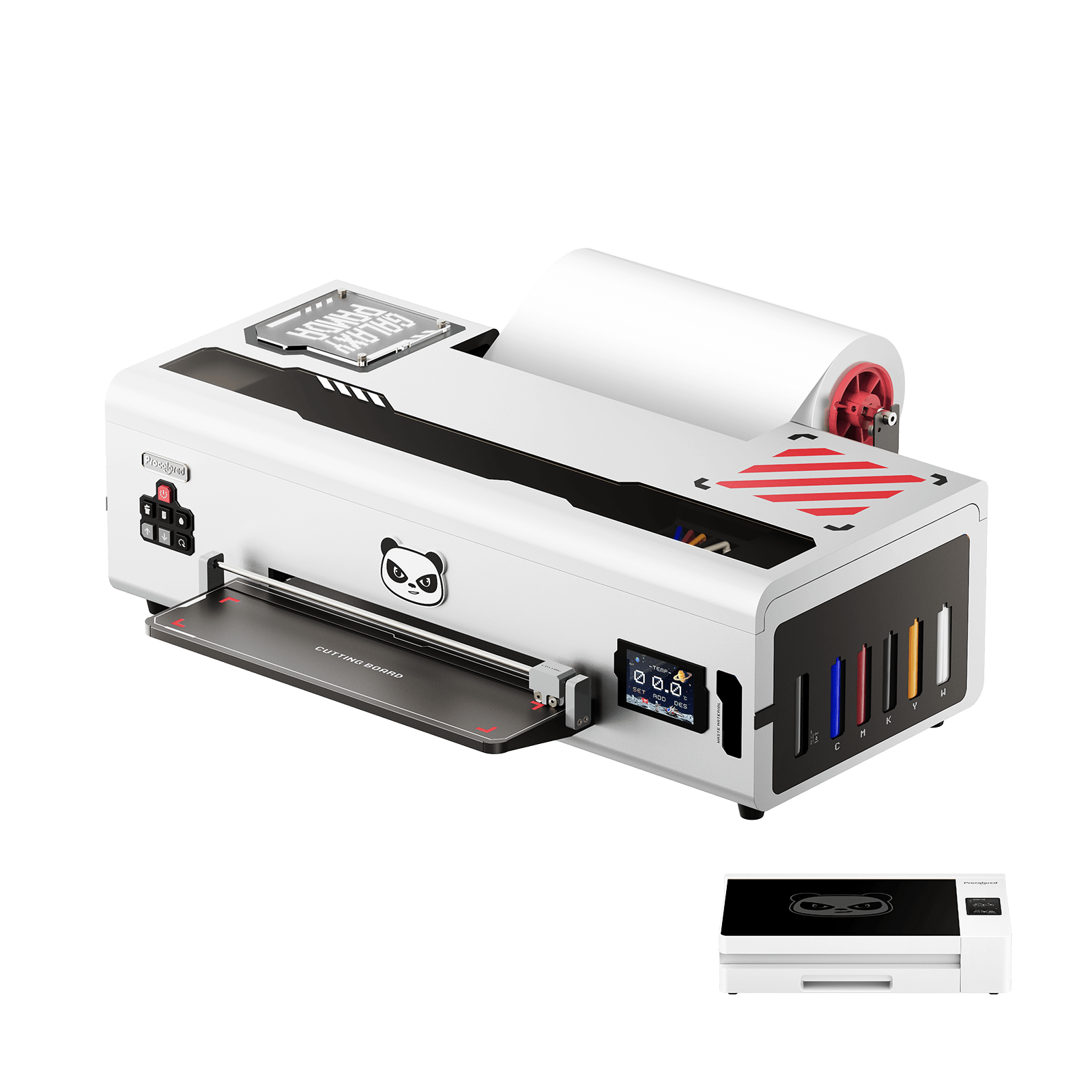
A DTF printer, also known as direct to film printer, uses DTF ink and transfer film to produce high-quality direct to film transfers that can be heat-pressed onto a wide range of fabric, including cotton, polyester, cotton-polyester blends, spandex, nylon, denim, canvas and more. Configured with a patented anti-clog Siphon Circulation system and a full range of print sizes (we recommend an A4 DTF printerfor beginners, an A3 DTF printer for small studios), Procolored provides thebest DTF printer collection with stable and impressive performance to meet your different needs.
From entry-level models like the DTF printer for beginners to high-throughput systems for apparel production, Procolored offers scalable solutions to fit every business.
From entry-level models like the DTF printer for beginners to high-throughput systems for apparel production, Procolored offers scalable solutions to fit every business.
DTF (Direct-to-film) printing is one common method used in T-shirt printing. To finish a direct to film transfer, the graphic will be first printed on a pre-treated film, then covered with adhesive powder, after curing and heat pressing, finally transferred onto fabrics. DTF machine prints colored inks with a white ink base, allowing its printed outputs to achieve a higher color reproduction compared to other methods such as DTG.
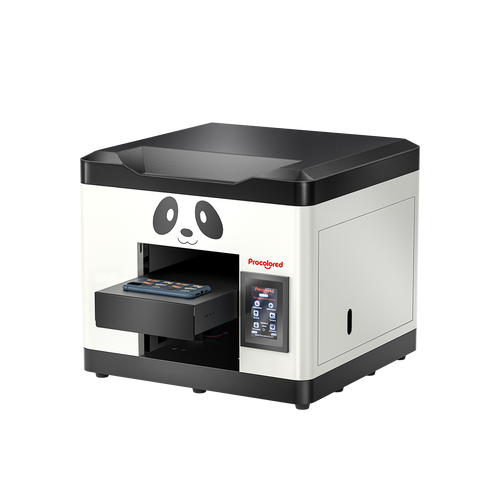
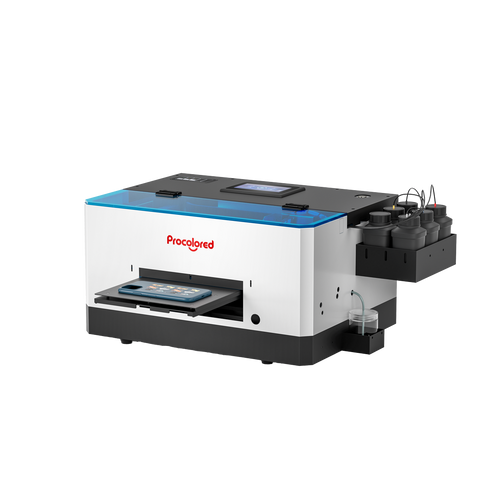
Besides providing the best DTF printer, Procolored also enables DTF printing on rigid objects, with UV DTF Printer.
Versatility of DTF printer
Versatility of DTF printer
T-shirt printing industry has become a larger and larger market with impressively speedy growth in recent years. Following this
tendency, more and more people nowadays prefer purchassing customized clothes and even begin to seek methods of producing
their owns. A DTF machine can be a perfect choice for this need of T-shirt customization.
There is no doubt that DTF printing technology has gradually aroused attention from T-shirt print-on-demand industry with its high quality, accuracy, flexibility, and convenience. It can be used on a variety of fabrics, including cotton, polyester, blends, and even dark-colored fabrics. It's capable of printing complex, colorful and detailed designs and transferring them in durable and long-lasting quality to fabrics. Compared to other printing methods like DTG printing, it only requires relatively easier operations and lower costs, suitable for small businesses and startups.
T-shirt printing industry has become a larger and larger market with impressively speedy growth in recent years. Following this
tendency, more and more people nowadays prefer purchassing customized clothes and even begin to seek methods of producing
their owns. A DTF machine can be a perfect choice for this need of T-shirt customization.
There is no doubt that DTF printing technology has gradually aroused attention from T-shirt print-on-demand industry with its high quality, accuracy, flexibility, and convenience. It can be used on a variety of fabrics, including cotton, polyester, blends, and even dark-colored fabrics. It's capable of printing complex, colorful and detailed designs and transferring them in durable and long-lasting quality to fabrics. Compared to other printing methods like DTG printing, it only requires relatively easier operations and lower costs, suitable for small businesses and startups.
Other main advantages of DTF printing over DTG printing:
Higher reliability of print head to meet large-volume printing needs
More vibrant printing colors on both light and dark-colored garments
No fabric pre-treatment required
T-shirt DTF Printing Procedure
T-shirt DTF Printing Procedure
Image Transform
Send the print job to the DTF printer using RIP software.
Print
DTF printer prints image onto pre-treated transfer film.
Spread Powder
Cover the print with adhesive powder and melt the adhesive via a curing oven.
Heat Transfer
Transfer the design onto the garment via a heat press machine.
Image Transform
Send the print job to the DTF printer using RIP software.
Print
DTF printer prints image onto pre-treated transfer film.
Spread Powder
Cover the print with adhesive powder and melt the adhesive via a curing oven.
Heat Transfer
Transfer the design onto the garment via a heat press machine.
A DTF (Direct-to-Film) printer is a digital printer that prints designs onto a special PET film instead of directly onto fabric. The printed film is then coated with adhesive powder, cured, and heat-pressed to transfer the design onto a garment. DTF printers work on cotton, polyester, blends, nylon, and most fabric types — with no pretreatment required. This versatility, combined with vibrant colors and strong wash durability, has made DTF one of the fastest-growing methods in custom apparel printing.
2.What materials can DTF printers print on?
DTF printers can print on almost any fabric, which is one of their biggest advantages. Common materials include: • Cotton, polyester, and cotton-poly blends • T-shirts, hoodies, sweatshirts, and jerseys • Tote bags, caps, and other fabric accessories • Nylon, denim, canvas, and spandex
Unlike some other methods, DTF transfers require no pretreatment, and the same workflow works on both light and dark fabrics. For the best adhesion and wash durability, match your heat press time and temperature to each fabric type.
3.How does DTF printing differ from DTG printing?
The main difference is that DTG prints ink directly onto the garment, while DTF prints onto a film that is then transferred using adhesive powder and a heat press.
This creates a few practical differences:
Materials: DTG works best on 100% cotton; DTF works on cotton, polyester, blends, and more
Pretreatment: DTG requires pretreating each garment; DTF does not
Workflow: DTF transfers can be printed in advance and pressed later
Durability: both hold up well, with DTF often performing better on blended fabrics
In short, DTG suits cotton-focused shops, while DTF offers broader material versatility.
4.Do I need special software to use a DTF printer?
Yes — DTF printing requires RIP (Raster Image Processor) software to prepare and send print files. Standard print drivers can't handle the white ink layer that DTF printing depends on.
RIP software lets you:
Control color profiles and ink density
Manage the white ink underbase layer
Adjust layout, sizing, and print settings
Some DTF printer brands charge separately for RIP software. Every Procolored DTF printer includes professional RIP software at no extra cost.
5.What consumables do I need for DTF printing?
DTF printing uses three main consumables, plus a curing and pressing setup:
DTF transfer film— PET film that the design is printed onto
Adhesive (hot-melt) powder — bonds the printed design to the fabric
DTF inks — CMYK plus white ink, matched to your printer model
You'll also need a heat press, and ideally a curing oven for higher volumes. For consistent results, always use film, powder, and inks that are compatible with your specific DTF printer model.
6.How do I choose the right DTF printer model?
The right DTF printer depends mainly on your production volume and business stage. Procolored's DTF lineup is designed as a step-by-step upgrade path:
K13 / K13 Lite — best for beginners and home studios. Our most affordable entry point. Compact enough for small workspaces and easy to operate, it's ideal for testing the custom apparel market with low-volume, low-risk production.
P13 — best for growing online stores. Procolored's best-selling model, balancing price and performance. A reliable choice once your orders are steady and you need consistent medium-volume output.
For high-volume production — Procolored's commercial-grade DTF printers use dual printheads (separate white and color heads) for significantly faster output, and pair with an automatic shaker oven to form a compact production line, made for established shops handling peak-season demand.
You can also compare full specs side by side on our Compare Page.
7.Is DTF printing suitable for beginners?
Yes — DTF printing is one of the most beginner-friendly custom printing methods. It needs no garment pretreatment and works across many fabrics, which keeps the learning curve manageable.
To get good results from the start, beginners should focus on:
Learning the basics of RIP software
Getting heat press time and temperature right
Applying adhesive powder evenly
With follow-along tutorials and a little practice, most beginners produce sellable prints within their first few sessions.
8.How do I maintain my DTF printer?
Good maintenance keeps a DTF printer running reliably and prevents its most common issue — clogged printheads caused by white ink settling. A simple routine covers most needs:
Run daily nozzle checks before printing
Clean printheads and capping stations regularly
Agitate white ink and keep it fresh to prevent sedimentation
Purge ink lines as recommended in your printer's manual
White ink needs the most attention because it settles faster than other inks. Procolored DTF printers feature a patented anti-clog Siphon Circulation system that keeps white ink moving, reducing clog risk and routine downtime.